If you have had a dog for any length of time, chances are you’ve had a dog that has had an ear infection. These infections can happen for several different reasons, but one of the most common culprits is a yeast infection.
A dog’s ear yeast infection, although seemingly minor, can cause significant discomfort and even pain if not addressed promptly and properly. So what should owners be on the lookout for, and what should they do when they spot a problem?
For the answer to these questions and others, read on to learn more about the causes, symptoms, diagnosis, treatment, and most importantly, prevention of ear yeast infections in dogs.
What Is A Dog Yeast Ear Infection
An ear yeast infection is a common condition that affects many dogs. It is caused by an overgrowth of the naturally occurring yeast, Malassezia pachydermatis, in the dog’s ear canal.
This yeast naturally resides in a dog’s ears in small amounts, but when conditions become favorable, such as increased moisture, warmth, or changes in the ear’s environment, it can start to overgrow and lead to an infection.
This can cause irritation and inflammation of the skin in and around the ears, a condition known as otitis externa, leading to itching and discharge.
While other animals such as cats can get yeast ear infections as well, they tend to occur most frequently in dogs.

What Causes A Dog’s Ear Yeast Infection?
We know that this condition is caused by an overgrowth of yeast. But what is it that makes this yeast start to proliferate in dog ears in the first place?
Many different factors can lead to an infection, and successfully treating it and making sure it doesn’t return requires an understanding of the underlying cause.
Causes of yeast infections in dogs’ ears include:
Allergies (most common)
Allergies, particularly environmental and food allergies, are the leading cause of yeast infections in dogs’ ears. When a dog is allergic to something like pollen, dust mites, or certain ingredients in their food, it can trigger an allergic reaction.
This, in turn, can create an ideal environment in the ear canal for yeast to grow. Allergies often lead to ear inflammation and excessive earwax production, providing a perfect environment for yeast to grow.
Moisture and Humidity
A warm and moist environment is like a playground for yeast. Dogs that swim frequently or live in humid climates are more susceptible to ear yeast infections. Water in the ear canal can create the perfect conditions for yeast to thrive.
Ear Shape and Size
Dogs with floppy ears, like Basset Hounds or Cocker Spaniels, are more prone to yeast infections. Their ear shape restricts airflow, making it easier for moisture to get trapped inside, creating a breeding ground for yeast.
Excessive Earwax
Some dogs naturally produce more earwax than others. Excessive earwax can trap moisture and debris, providing a suitable environment for yeast to grow.
Foreign Objects or Trauma
Injuries or the presence of foreign objects in the ear can lead to irritation and inflammation, creating conditions favorable for yeast infections.
Other Health Conditions
Certain medical conditions, such as hypothyroidism, can weaken a dog’s immune system and make them more susceptible to infections, including yeast infections in the ears.
Ear Mites
Although less common, ear mites can also contribute to ear infections in dogs. These tiny parasites can irritate the ear canal and lead to secondary yeast infections.
Lack of Proper Ear Care
Neglecting regular ear cleaning and maintenance can allow debris, dirt, and wax to accumulate in the ear canal, promoting yeast growth.
Breed Disposition
Some dog breeds are just prone to getting more ear infections than other breeds. Part of this can be due to a breed having floppy ears, as described above, but there can be other reasons for breed disposition as well. For example, breeds that are known to have more allergies or lots of skin folds may have more infections.
Breeds that are more likely to get ear infections include American Cocker Spaniels, Australian Silky Terriers, Basset Hounds, Boxers, Dachshunds, English Setters, Retrievers, Poodles, Schnauzers, and Shih Tzus.
Signs That Your Dog May Have A Yeast Ear Infection
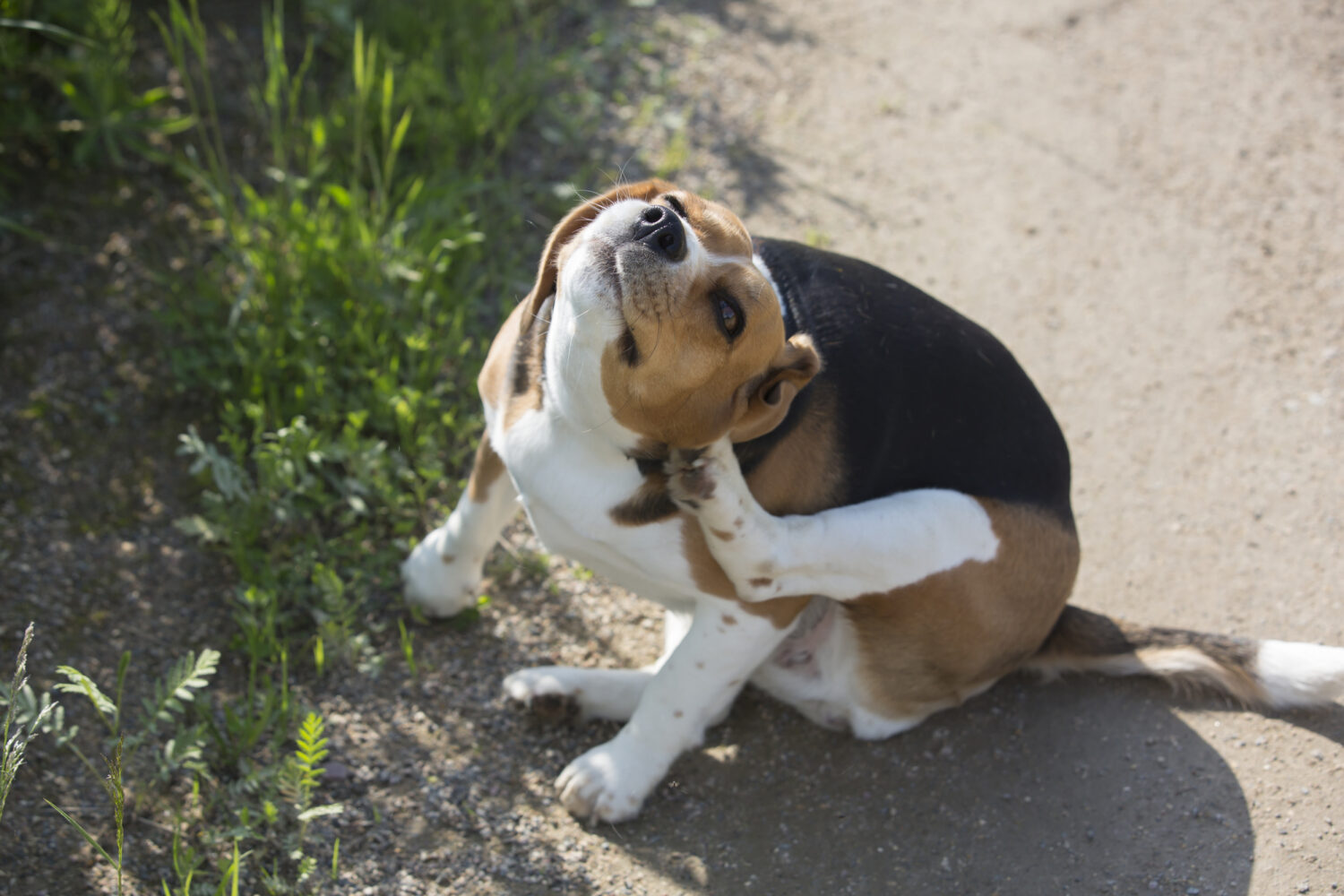
The signs of a dog ear yeast infection can vary in severity, but common symptoms to look out for include:
- Ear Scratching: Dogs with yeast infections in their ears will scratch – a lot! They may rub their ears against the floor, furniture or their paws to try to relieve the itching.
- Head Shaking: Frequent head shaking is another typical sign. Dogs will shake their heads rapidly to try to get rid of the discomfort and itching caused by the infection.
- Ear Odor: A noticeable foul odor emanating from the ear is a common indicator of a yeast infection. This odor is usually unpleasant and has a distinct cheesy or musty smell.
- Redness and Inflammation: The infected ear may appear red, swollen, and inflamed. You may notice increased warmth around the ear.
- Ear Discharge: Dogs with ear yeast infections often have a discharge from the affected ear. This discharge can range from a thick, waxy buildup to a brown or yellowish goop.
- Ear Canal Discomfort: Dogs may show signs of discomfort when you touch their ears. They may tilt their heads to one side, indicating pain or irritation.
- Scabs or Crusts: In some cases, you may observe scabs or crusts on the inner surface of the ear, especially if the dog has been scratching vigorously.
- Loss of Balance: In severe cases, a dog may have balance problems or a head tilt which can be a result of the infection affecting the middle ear.
- Behavioral Changes: Dogs with ear infections may become irritable, anxious, or less tolerant of ear handling due to the discomfort they are experiencing.
- Hearing Loss: In advanced or untreated cases, hearing loss can occur, especially if the infection spreads to the middle or inner ear.
Dog owners need to be able to identify these signs early and promptly seek veterinary care if they suspect their dog has an ear yeast infection. If left untreated, infections can cause more discomfort, secondary complications, and potentially lead to chronic ear problems.
How Are Dog Ear Yeast Infections Diagnosed?
Diagnosing a dog ear yeast infection typically involves a combination of clinical examination and diagnostic tests performed by a veterinarian.

The first step in diagnosing a dog ear yeast infection is a visual inspection of the ears, where the vet uses an otoscope to look for signs of infection or inflammation.
Your vet will ask you about your dog’s medical history and any symptoms you’ve noticed, such as itching, head shaking, or a foul odor coming from the ears. They may check your dog’s skin for signs of yeast infection (yeast dermatitis) on other areas of the body such as skin folds.
The veterinarian may take a sample from the affected ear to examine under a microscope to identify any yeast cells present, and what those yeast levels are.
In some cases, the veterinarian might suggest a culture and sensitivity test. This test involves growing the microorganisms from the ear swab in a lab to identify the specific yeast species and determine the most effective medications for treatment.
Other ear conditions such as bacterial infections, ear mites, or foreign objects lodged in the ear canal, can have similar symptoms to yeast infections. The vet will rule out these other possibilities through examination and testing.
Since allergies are a common underlying cause of ear yeast infections, the veterinarian may also investigate potential allergens, such as pollen or certain foods, to address the root cause of the recurring infection.
After gathering all the necessary information and conducting the appropriate tests, the veterinarian will give you a clear diagnosis and suggest a treatment plan that is specifically tailored to your dog’s condition.
How Is An Ear Yeast Infection in a Dog Treated?
Once a yeast infection has been confirmed, the treatment process typically starts with thorough ear cleaning. This involves removing the debris, dirt, and wax from the ear canal by flushing it with a special ear-cleaning solution made for pets.
Depending on the severity of the infection, ear cleaning may need to be done while the dog is sedated. Severe or chronic infections can be very painful, and dogs that are in this condition will not sit still for ear cleaning.
Next, your veterinarian will prescribe antifungal medications, typically in the form of ear drops or ointments. Advanced cases may require oral medications. Follow your veterinarian’s instructions for administering the medication.
Even if your dog’s symptoms improve before the medication is finished, it’s important to continue treatment as directed. Failure to complete the full treatment can result in recurrent or chronic infections.
Any underlying conditions that led to the yeast infection developing in the first place will also need to be addressed. Diseases such as hypothyroidism need to be treated, and dogs prone to ear infections due to excessive moisture, floppy ears or hair in the ear canals may require weekly ear cleaning.
In some cases, additional medications such as anti-allergy drugs may be prescribed to address any underlying allergies that could be contributing to the infection. Dogs with food allergies may need to switch to a hypoallergenic diet.
9 Steps To Preventing Dog Ear Yeast Infections
“An ounce of prevention is worth a pound of cure” – Benjamin Franklin
The best way to treat your dog’s ear yeast infections is to prevent them from ever happening in the first place. Here are the steps that you can take to protect your pup:
- Regular Ear Cleaning: Establish a routine for cleaning your dog’s ears, especially if they are prone to infections. Use a vet-recommended ear cleaner and gently remove dirt, debris, and excess wax using a clean cotton ball.
- Keep Ears Dry: Prevent moisture buildup by thoroughly drying your dog’s ears after swimming or bathing. Avoid excessive water exposure, especially for dogs with floppy ears, and keep fur around the ears trimmed to increase air flow.
- Allergy Management: If your dog has allergies, work with your veterinarian to identify allergens and develop a management plan.
- Proper Diet: Provide a well-balanced diet tailored to your dog’s needs. Good nutrition supports a healthy immune system. In some cases, a diet change may be necessary if food allergies are suspected.
- Regular Check-ups: Schedule regular veterinary check-ups to catch and address potential ear issues early.
- Environmental Control: Minimize exposure to environmental factors that can trigger allergies, such as pollen or dust mites.
- Ear Protection: Use ear protection for dogs that are prone to ear infections when swimming or in environments with high humidity.
- Avoid Self-Cleaning: Avoid inserting cotton swabs or foreign objects into your dog’s ear canal, as this can push debris deeper and potentially cause damage. A cotton ball can be used to gently wipe the flap of the ear, but never push it into the ear canal.
- Monitor and Act Promptly: Keep an eye on your dog’s ear health and seek veterinary care at the first sign of trouble, such as excessive scratching or odor.
By implementing these preventative measures, you can significantly reduce the risk of your dog developing ear yeast infections and promote its overall ear health.
Conclusion
Dog ear yeast infections are common but preventable. These infections can occur due to various factors such as allergies, moisture, and certain dog breeds’ predispositions.
It is important to understand the causes and recognize symptoms early to detect ear problems in dogs. Early detection allows for early intervention, which can help reduce complications.
To keep your dog’s ears healthy and free from yeast, regular cleaning, a proper diet, and other preventive measures are recommended. However, if your dog shows signs of an infection, it is crucial to consult a veterinarian as soon as possible.
The vet will work with you to develop a treatment plan tailored to your pet’s condition, which may include antifungal medications and weekly ear cleaning. They will also address any underlying condition that could contribute to the infection.
If you have any questions or concerns about your dog’s health, it’s best to consult a veterinarian. They can offer expert advice that meets your pup’s specific needs.
[This article is for informational purposes only. Always consult with a veterinarian prior to diagnosing or treating any medical condition.]
About the Author:
Wendy Wilkins, DVM, PhD, is a seasoned veterinarian and epidemiologist, boasting 25+ years across clinical practice, research, academia, and regulatory veterinary realms. She is also the editor and a content creator for Cat BYTES, a website committed to making sure pet owners get the correct information they need in a way that is accessible and easy to understand.
Leave a Reply